Theater Promo Code Strategy: Save More in 2026


A theater promo code strategy is the practice of using targeted, time-limited, and trackable discount codes to reduce ticket costs while supporting the long-term health of live theater. The industry standard, documented by sources like Playbill and Ticket Fairy, treats promo codes not as blanket giveaways but as precision tools with defined rules, expiration dates, and audience segments. When you apply this approach correctly, you pay less without undermining the ticket value that keeps productions running. The Ticket Blog has tracked these patterns across hundreds of shows and found that theatergoers who treat discount codes as a system, rather than a lucky find, consistently save more per season.
What is a theater promo code strategy and why does it matter?
A theater promo code strategy means treating discount codes as a planned system, not a random coupon hunt. The goal is to match the right code type to the right purchase at the right time. Playbill’s discount program shows that theater promo codes typically offer 15%–25% off base ticket prices, with strict expiration windows of one to three months and a cap of ten tickets per order. That structure is not accidental. It reflects the industry’s need to fill seats without training audiences to wait for permanent discounts.
The term “promotional pricing” is the recognized industry phrase for this practice. Promo codes are one delivery mechanism within that broader system. Understanding the difference matters because not every discount you find qualifies as a true promotional code. Some are loyalty rewards, some are dynamic pricing adjustments, and some are segment-specific offers for seniors or students. Each type works differently and requires a different approach from the buyer.

How do theater promo codes work and what types exist?
Theater promo codes fall into four main categories, and knowing which type you are using changes how you apply it.
Percentage off: The most common type. Codes like “SAVE20” reduce the base ticket price by a set percentage. Playbill discounts typically run in the 15%–25% range. These codes almost always exclude service and facility fees, so your actual savings on the total order will be lower than the headline number.
Fixed amount off: A flat dollar reduction, often tied to membership or a digital wallet. Samsung Wallet promotions for movie tickets, for example, offer $10 off when you pay through a linked account. These require membership or account verification to activate.
Bundle and group discounts: Applied when you buy a minimum number of tickets in one order. Group codes often require four or more tickets and may restrict seating to specific sections.
Segment-specific codes: Designed for seniors, students, or military members. Synetic Theater’s discount program requires valid ID at will call to confirm eligibility. You cannot apply these codes and skip the verification step.
Beyond buyer-facing types, theaters also issue unique partner and influencer codes. These are single-use or limited-use codes assigned to a specific promoter or content creator. Ticket Fairy’s promo code framework shows that unique codes let promoters track conversion rates and return on investment precisely. For buyers, these codes are often more reliable than generic codes because they are actively managed and less likely to be invalidated.
Code type | Typical discount | Key requirement |
Percentage off | 15%–25% off base price | Valid within expiration window |
Fixed amount off | $5–$10 off | Membership or account login |
Group or bundle | Varies by show | Minimum ticket quantity |
Segment-specific | $10 or more off | Valid ID at will call |
Partner or influencer | Varies | Unique code from verified source |
Where to find valid and exclusive theater discount codes
The most reliable sources for theater discount codes are official channels, not deal aggregator forums. Start with these:
Official theater mailing lists. Sign up directly on the venue or production website. Early bird codes and subscriber-only discounts go to this list first, often weeks before they appear anywhere else.
Playbill’s discount portal. Playbill maintains a dedicated discount section for productions across the country. Codes listed there are vetted and current.
Verified social media accounts. Follow the official accounts of the production, venue, and cast members. Influencer codes tied to specific creators are trackable and tend to stay active longer than generic codes.
Partner platforms with vetted exchange agreements. Some ticketing guides, including resources at The Ticket Blog, publish hidden promo code sources that are confirmed active before posting.
Last-minute show promotions. Productions in their final weeks frequently release flash sale codes to fill remaining seats. Broadway marketing data confirms that late-stage runs use these “last-push” promotions to maximize fill rates.
Pro Tip: Set a Google Alert for the show’s name plus “promo code” or “discount.” You will catch new codes within hours of release, before they hit their usage cap.
Avoid generic deal forums and coupon aggregator sites. These sources frequently list expired or leaked codes. Ticket Fairy’s 2026 guidelines note that ticket systems now monitor closely for code leakage, and orders using unauthorized codes can be flagged or rejected at entry. The short-term appeal of a leaked code is not worth a voided ticket at the door.
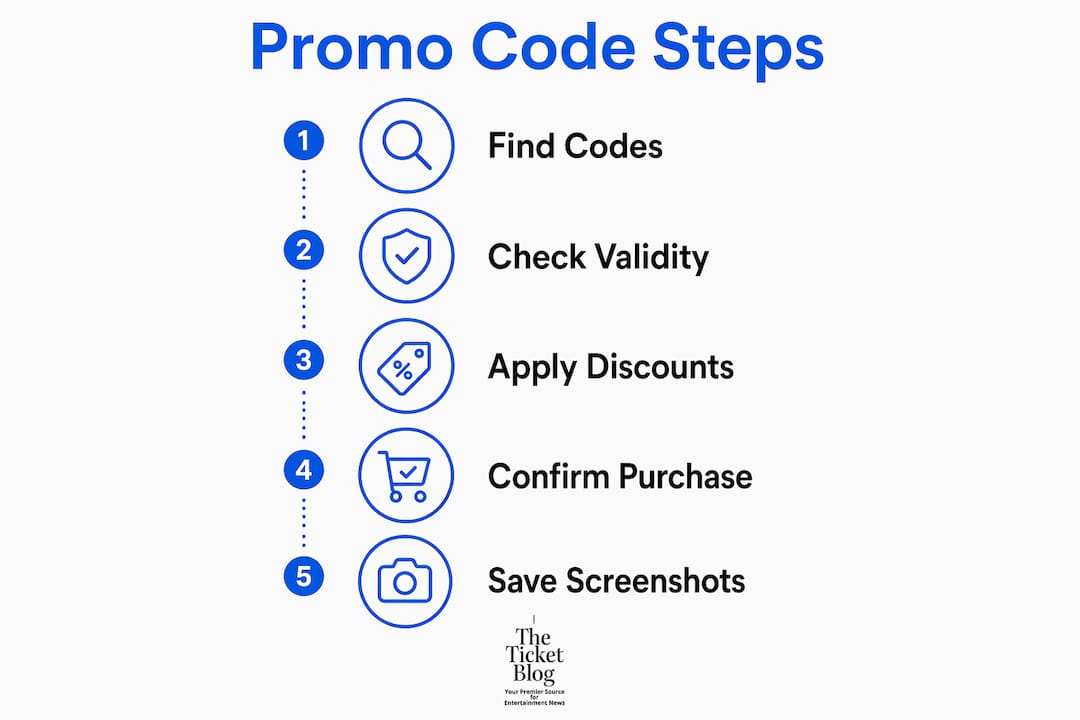
How to use theater deals strategically to maximize savings
Timing and code type together determine how much you actually save. The single most important principle here comes directly from how theaters design their promotions.
Scarcity and exclusivity drive promo code effectiveness more than the size of the discount. Time-limited and quantity-limited codes create real urgency. Always-on discounts train buyers to wait indefinitely and ultimately harm ticket revenue for the production.
This insight from Seatfun’s 2026 promo code analysis has a direct implication for buyers: when you see a code with a clear expiration or a stated quantity limit, act on it quickly. Codes without those constraints are usually less exclusive and more likely to be already exhausted or invalidated.
Dynamic pricing adds another layer. Theaters shift prices by seat grade and demand, but they maintain a stated base price that does not increase artificially. Knowing the baseline price for your preferred seat section lets you judge whether a promo code actually delivers savings or simply offsets a demand-driven price increase.
Here are the key moves that separate effective buyers from casual ones:
Check the fee structure before applying a code. Service and facility fees are typically fixed and not discounted. A 25% off code on a $60 ticket with $20 in fees saves you $15, not $20. Factor that into your decision.
Combine group purchases with promo codes when the terms allow. Buying four tickets with a group code and a percentage-off promo can stack savings significantly. Read the terms carefully to confirm stacking is permitted.
Use weeknight performances. Weeknight theater deals already carry lower base prices at many venues. A promo code applied to a Tuesday performance will deliver a better net price than the same code on a Saturday.
Avoid codes with no stated expiration. These are almost always “always-on” discounts that signal low demand. You may be better served by a flash sale code tied to a specific performance date.
Pro Tip: Screenshot the promo code confirmation page immediately after purchase. If there is a dispute at will call, that screenshot is your fastest proof of the applied discount.
What are common challenges with promo codes and how do you fix them?
Promo code problems fall into predictable categories. Most are avoidable with preparation.
Code rejected at checkout. The most common cause is expiration. Check the stated validity window before attempting to apply. If the code is current and still rejected, confirm you meet the eligibility requirements, such as minimum ticket quantity or membership status.
Segment-specific code denied at will call. Synetic Theater’s policy is representative of the industry: senior and student discounts require valid ID at pickup. Bring your ID every time, without exception.
Savings lower than expected. Fees are not discounted in most cases. Calculate your expected savings on the base ticket price only, then add back the full fee amount to get your real total.
Code works but ticket is flagged at entry. This almost always means the code was leaked or used beyond its authorized limit. Ticket Fairy’s monitoring systems flag suspicious code usage, and the theater’s system may void the ticket. Only use codes from verified sources.
Influencer code no longer active. Partner codes have their own expiration timelines set by the promoter. If a code from a social media post no longer works, check whether the creator has posted an updated code or contact the venue directly.
The types of promo code sources you rely on directly affect how often you run into these problems. Official channels produce fewer errors than third-party aggregators.
Key Takeaways
A theater promo code strategy works best when you combine verified sources, correct timing, and a clear understanding of what the discount actually covers.
Point | Details |
Know your code type | Percentage, fixed, group, and segment codes each have different rules and eligibility requirements. |
Use official sources | Mailing lists, Playbill, and verified influencer codes are more reliable than deal forums. |
Act on scarcity signals | Time-limited and quantity-capped codes deliver real savings; always-on codes rarely do. |
Account for fees | Service and facility fees are not discounted, so calculate savings on base price only. |
Time your purchase | Last-minute and weeknight codes offer the deepest discounts for flexible theatergoers. |
The Ticket Blog’s take on promo codes and theater sustainability
The most common mistake I see theatergoers make is treating every discount as a right rather than a tool. Promo codes exist because theaters need to fill seats efficiently, not because tickets are overpriced. When buyers misuse codes, share leaked ones, or demand permanent discounts, they push theaters toward either eliminating promotions entirely or raising base prices to compensate.
The buyers who consistently save the most are not the ones chasing every deal. They are the ones who have built a reliable system: two or three trusted sources, a clear sense of when codes appear in a show’s run, and the discipline to act quickly when a legitimate code surfaces. That approach respects the theater’s pricing model and keeps the discount pipeline open for everyone.
One thing I have noticed specifically in 2026 is that productions are getting sharper about code tracking. Unique influencer codes and partner-specific links are replacing generic codes at a faster rate. That is good news for savvy buyers because it means the codes that do circulate are more likely to be valid and actively managed. The era of the universal coupon code is fading. What replaces it rewards the theatergoer who pays attention.
My honest advice: subscribe to two or three official mailing lists, follow the productions you care about on social media, and check The Ticket Blog before every purchase. That combination covers the vast majority of legitimate discount opportunities without any of the risk that comes from chasing unverified codes.
— The Ticket Blog
The Ticket Blog’s resources for theater discount savings
The Ticket Blog publishes regularly updated guides on theater promo codes, verified discount sources, and fee-reduction strategies for theatergoers across the country. Every guide is built around confirmed, active information rather than recycled deal lists.
For buyers who want a single reliable starting point, The Ticket Blog brings together current promo codes, insider tips on timing your purchase, and clear explanations of how fees affect your final cost. The site also covers unsold ticket discounts and last-minute deal strategies for theatergoers who can stay flexible on dates. Whether you are buying for a single night or planning a full season, the guides give you the context to make each purchase count.
FAQ
What does a theater promo code typically save you?
Theater promo codes typically save 15%–25% off the base ticket price, with a cap of ten tickets per order and an expiration window of one to three months. Service and facility fees are usually excluded from the discount.
Why do promo codes sometimes get rejected at checkout?
The most common reasons are expiration, unmet eligibility requirements such as minimum ticket quantity, or membership status. Codes from unverified sources may also be flagged by the ticketing system if they were leaked or exceeded their authorized usage limit.
Are segment-specific discounts like senior or student codes worth using?
Yes, segment-specific codes often provide $10 or more off per ticket, but you must present valid ID at will call to confirm eligibility. Plan ahead and bring the required documentation to avoid losing the discount at the door.
How does dynamic pricing affect promo code savings?
Dynamic pricing shifts ticket prices by seat grade and demand, but theaters maintain a stated base price that does not increase artificially. Knowing the baseline price for your preferred section helps you judge whether a promo code delivers genuine savings or simply offsets a demand-driven increase.
When is the best time to use theater promo codes?
The best windows are early in a show’s run, when subscriber codes are released, and in the final weeks, when last-push promotions offer deeper discounts to fill remaining seats. Weeknight performances also carry lower base prices, making promo codes more effective on those dates.
Recommended


Comments