Face Value Tickets: 4 Checks to Verify the Price Before Checkout

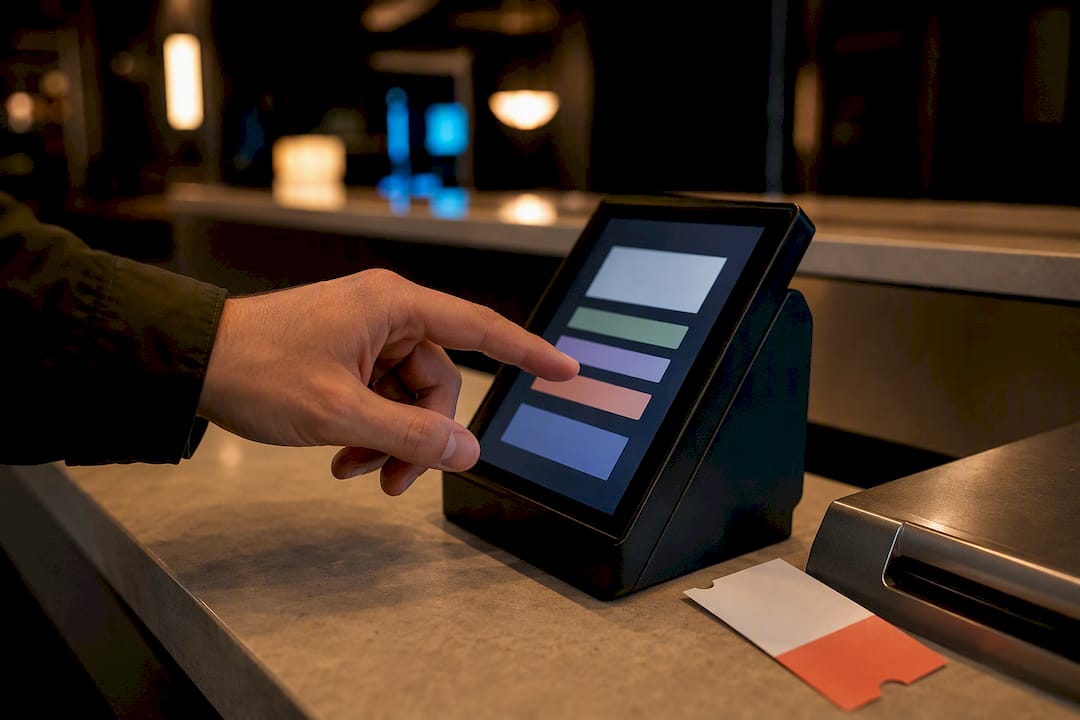
Face value is the original price set by the event organizer or promoter, printed or listed on a ticket as its base cost before any service fees, delivery charges, or resale markups get added. Everything above that, from processing fees to scalped markups, is added on top.
TL;DR:
Most tickets are sold at face value set by the organizer, but the final price usually increases after added service fees and delivery charges.
Resale tickets can be priced above or below face value, depending on demand, with primary sales offering the closest alignment between price and face value.
Resale markets often include higher prices due to demand, especially for sold-out shows, premium seats, or limited-run events, with legal resale rules varying by location.
Checking the itemized breakdown before purchase helps determine the true face value and avoid overpaying due to hidden fees or inflated resale prices.
Face value is a fixed reference point that aids in comparing ticket prices, but overall costs can still differ significantly after fees and resale markups are considered.
Table of Contents
Face Value Tickets Meaning: The Full Definition
The person who decides face value is almost always the event’s promoter or organizer, sometimes in partnership with the venue. They set the number based on the artist’s draw, the seat’s location, and what the market will bear, then that number gets locked in as the ticket’s official price before it ever reaches a checkout page.
Here’s how it plays out in practice: a face value ticket often becomes more expensive once service fees are added at checkout. The face value never changes, but the amount leaving your bank account does.
Dictionary sources back up this straightforward reading of the term. Merriam-Webster defines face value as the value printed on the face of an item like a stamp, ticket, or certificate, and notes that tickets often change hands for multiples of that number. Oxford Learner’s Dictionaries uses nearly identical language, tying the term directly to what’s shown on the item itself.
A few related points worth knowing:
“Nominal value” is a common synonym, especially in financial writing.
The term didn’t start with tickets. Face value also applies to bonds, stamps, and currency, where it means the amount printed on the certificate rather than what it trades for.
Investopedia’s definition frames face value in finance as a nominal dollar amount set by an issuer, which maps neatly onto tickets: it’s the original number, not the market price.
What’s Included in Face Value, and What Gets Added Later
Face value covers exactly one thing: the base price of admission as the organizer set it. Everything a ticketing platform tacks on afterward sits outside that number, even when it shows up on the same receipt.
Common extras that are not part of face value include:
Service fees charged by the ticketing platform
Delivery or processing fees for mobile or mailed tickets
Facility fees charged by the venue
Applicable sales tax, which varies by state and city
Many platforms bundle these into a single “fees” line at checkout, which makes it hard to tell how much is base price and how much is markup. A ticket can easily cost significantly more once fees are folded in, and the breakdown screen is often the only place that split is visible before you pay.
Pro Tip: Before you click “buy,” look for the itemized price breakdown, usually a small link or expandable line near the total in this Sun Prep Outdoor Concert Guide to stay safe and cool at your event. It separates face value from fees far more clearly than the final checkout number does.*

Reading that breakdown before purchase catches the moments when a “deal” isn’t actually one. Comparing that itemized number against listings elsewhere is exactly what a detailed guide on types of concert venue ticket fees walks through in more detail.
Primary Sales vs. Resale: Where Face Value Exchanges Fit In
Face value behaves differently depending on which market you’re buying in. Here’s the breakdown:
Primary sale. Tickets sell at face value, plus applicable fees, directly from the event organizer or an authorized primary marketplace. This is the only scenario where face value and the listed price are guaranteed to match (fees aside).
Resale (secondary market). The seller, not the organizer, sets the price. It can land above or below face value depending on demand, and legitimate marketplaces are required to label these listings clearly as resale.
Face value exchange. Some platforms run capped resale programs, often called face value exchanges, where sellers can only relist tickets at or near their original price. The intent is to cut off runaway markups while still letting fans who can’t attend recoup their money.
Understanding which category a listing falls into changes what you should expect to pay, and whether a “deal” is actually a discount or just a return to normal pricing. A detailed breakdown of primary vs. secondary ticket sites covers this distinction in more depth if you want the full mechanics.
Why Resale Prices Climb Above Face Value
Scalping, in plain terms, is reselling a ticket for more than its face value, and it happens whenever demand outpaces the supply an organizer originally priced for. A face value seat to a sold-out arena show can list for much higher prices on the resale market once the primary allotment runs dry.
A few patterns show up again and again:
Sold-out shows almost always see the steepest markups, since supply is fixed and demand keeps climbing.
Premium seating, front rows, and floor sections command bigger multiples than upper-level seats.
Limited-run residencies and single-city tour stops tend to spike harder than shows with multiple dates in the same market.
Whether marked-up resale is legal depends on where you live. Rules vary by state and even by city, and some jurisdictions cap resale prices or ban certain bot-driven buying practices outright.
Pro Tip: If a price looks unusually high for a non-premium seat, check the venue’s own resale policy page before assuming it’s your best option. Some venues partner directly with capped resale programs that quietly undercut third-party marketplaces.
How to Verify a Ticket’s Face Value Before You Buy
Electronic tickets and order confirmations usually list face value somewhere in the fine print, often labeled “face value,” “base price,” or simply “ticket price” separate from the fees line. If it’s not obvious, the seat map or price breakdown screen almost always shows it before you finalize a purchase.
Watch for these signals that a listing is resale rather than primary:
An explicit “resale” or “verified resale” label near the listing
A seller identified as an individual or third party rather than the venue or promoter
A price breakdown that shows a markup over the original ticket price
A buyer guarantee or protection policy, which is common on secondary marketplaces but rare on primary ones
What to check | Where to find it | What it tells you |
Face value | Order confirmation or price breakdown screen | The original base price before fees |
Resale label | Listing page, usually near the price | Whether you’re buying primary or secondary |
Seller type | Listing details or seller profile | Individual reseller vs. official platform |
Buyer guarantee | Checkout page or listing footer | Added protection typical of resale markets |
Screenshot any listing before you buy. It’s a quick habit that gives you a record of the price, seller type, and fees if something looks off after the fact.
Why Face Value Matters When You’re Comparing Tickets
Knowing face value gives you a fixed reference point for judging whether a listing is fairly priced or inflated. Without it, every price looks arbitrary. With it, you can spot a $40 markup on a $60 seat in about two seconds.
A few tactics make this easier in practice:
Watch official onsales closely. Face-value pricing is essentially guaranteed only during the primary sale window.
Set price alerts on shows you’re tracking so you’re not comparing memory against a live listing.
Check face value exchange listings before shopping the open resale market, since capped programs often sit closer to the original price.
Always compare total cost at checkout, not just the advertised base price, since fees can shift the ranking between two listings.
Pro Tip: Two listings priced identically at face value can still differ once fees are added. Run the full checkout total before deciding which one actually costs less.
For more on how fees and discount types interact with face value, guides to concert ticket discounts and a deeper look at secondary ticket markets both go further into the mechanics touched on here.
How The Ticket Blog Thinks About Ticket Pricing
Ticket pricing gets confusing fast, mostly because platforms rarely explain their own fee structures clearly. Guidance is built by tracking real price breakdowns across primary and resale markets and testing which buyer habits, like checking fees early or watching capped resale listings, actually save money rather than just sounding smart.
— The Ticket Blog
Find Tickets Closer to Face Value with The Ticket Blog
The Ticket Blog exists because most ticketing sites will show you a price, but not why it costs what it does. That gap between listed price and true cost is exactly where our guides and promo code roundups come in, helping you spot fee-heavy listings before you commit to them.
If you’re planning your next show and want the full playbook on comparing marketplaces and dodging inflated resale, visit The Ticket Blog for our latest guides and promo codes. Start with our primary vs. secondary marketplace comparison to see exactly where your next purchase should come from, and check current promo postings before you check out.
Sources
FAQ
What Is a Face Value Exchange Ticket?
A face value exchange ticket is a resale listing capped at or near its original price, part of a program designed to stop tickets from reselling at inflated markups.
Are Face Value Tickets Cheaper Than Resale Tickets?
Usually, yes. Face value tickets reflect the organizer’s original price plus standard fees, while resale prices can run well above or occasionally below that number depending on demand.
Can You Sell a Ticket for More Than Face Value?
In many places, yes, though rules vary by state and city, and some venues or platforms enforce their own price caps through face value exchange programs regardless of local law.
How Do I Know If a Ticket Listing Is Resale or Primary?
Check for an explicit resale label, a seller identified as an individual rather than the venue, and a price that differs from the venue’s official face value listed on the order confirmation.
Why Does the Checkout Price Look Higher Than the Advertised Ticket Price?
Service fees, delivery charges, and sometimes taxes get added on top of face value at checkout, which is why comparing the itemized price breakdown matters more than the headline number.
Recommended


Comments